
12 Women in Technology Who Changed the World
From the world's first computer programmer to the pioneers behind Wi-Fi, networking and modern software, these remarkable women transformed the technology we rely on every day.
From writing the world's first computer algorithm to developing the foundations of Wi-Fi, programming languages, networking protocols and space exploration, women have made some of the most significant contributions to computing, engineering and technology. Yet many of their achievements have historically received far less recognition than they deserve.
Every year, International Women's Day offers an opportunity to celebrate these pioneers. But their stories deserve to be told all year round, not only because of their historical importance, but because they continue to inspire future generations of software developers, cybersecurity professionals, network engineers, data scientists and technology leaders.
Whether you're considering a career in IT or simply curious about the people behind some of today's most important innovations, here are 12 women whose work helped shape the modern digital world.
At a glance: women whose innovations shaped technology
Technology has always been shaped by innovators who challenged convention, solved complex problems and imagined what was possible before anyone else could.
Here’s a quick look at several notable women and their contributions to modern technology.
| Pioneer | Best known for |
| Ada Lovelace | The world's first computer algorithm |
| Grace Hopper | COBOL and compiler development |
| Katherine Johnson | NASA orbital calculations |
| Hedy Lamarr | Frequency-hopping technology |
| Radia Perlman | Spanning Tree Protocol |
| Carol Shaw | One of the first female video game developers |
| Sister Mary Kenneth Keller | Co-developing BASIC |
| Mary Allen Wilkes | Helped develop the first personal computer |
| Susan Kare | Macintosh icons and interface design |
| Donna Dubinsky | Palm computing |
| Melanie Perkins | Co-founding Canva |
| The Women of ENIAC | Programming one of the world's first electronic computers |
➤Ada Lovelace imagined computer programming before computers existed
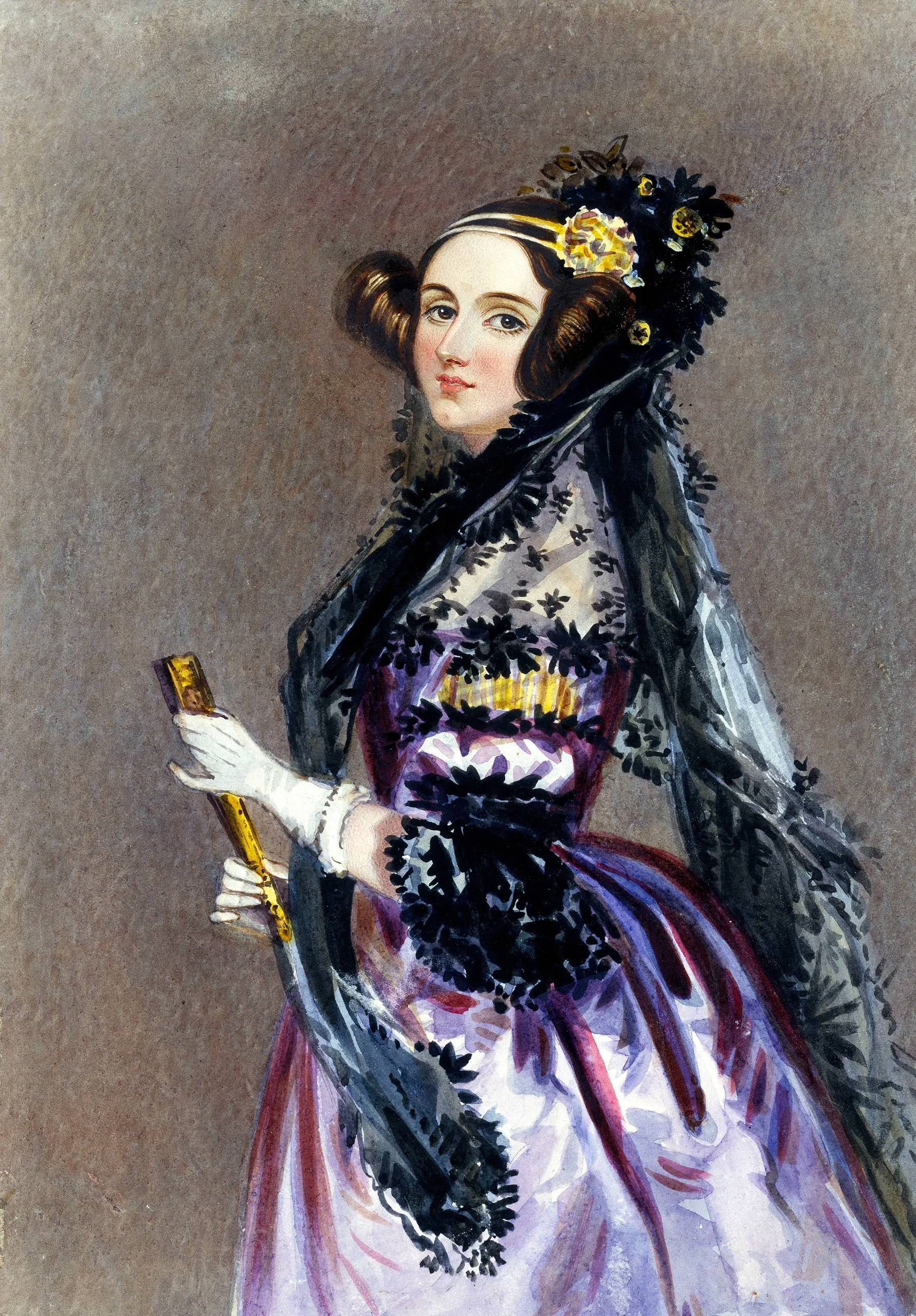
Known for: The world's first computer programmer
Long before modern computers existed, English mathematician Ada Lovelace, daughter of poet Lord Byron, recognised that Charles Babbage's proposed Analytical Engine could do far more than perform calculations.
In 1843, she published notes describing an algorithm designed for the machine, widely regarded as the first computer program ever written. She also envisioned that computers could one day manipulate symbols, music, and images, making her ideas remarkably visionary.
Lasting impact
- The first published computer algorithm
- Early concepts of general-purpose computing
- Inspiration for generations of software engineers
➤Grace Hopper made programming accessible to millions
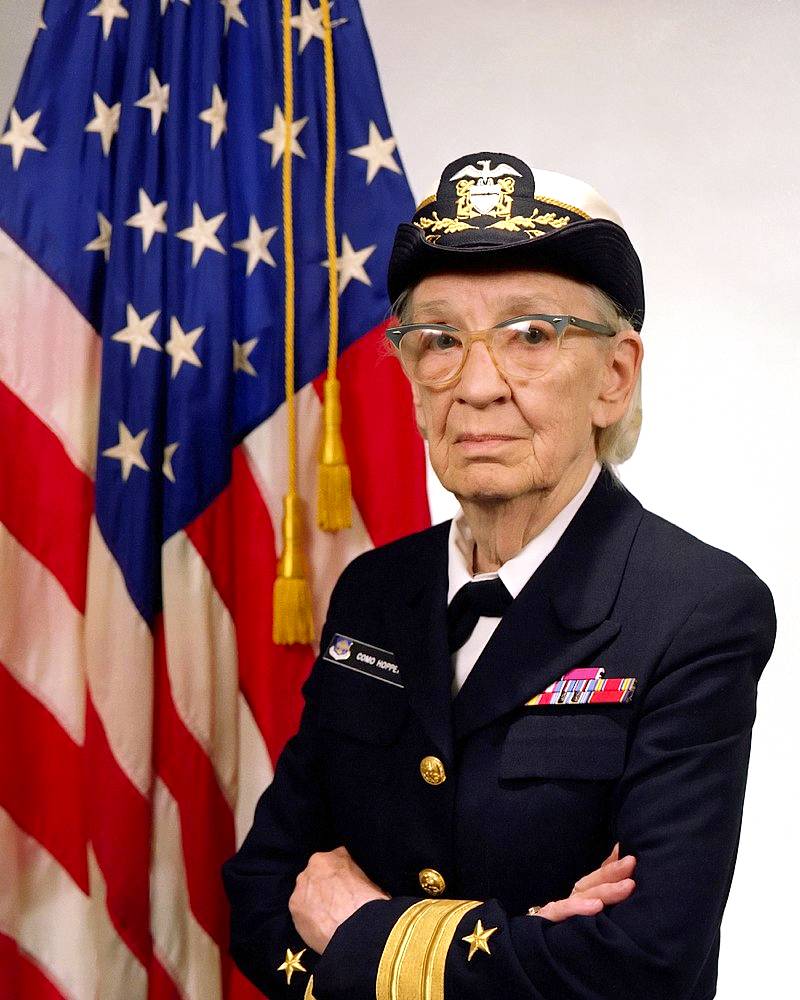
Known for: COBOL and compiler development
US Rear Admiral Grace Hopper believed computers should understand human language rather than require programmers to write everything in machine code.
Her pioneering work on compilers helped transform software development, and she played a key role in developing COBOL, one of the first high-level programming languages used by governments and businesses around the world. Known as the "Queen of Code," she is also often credited with popularising the term "debugging" after a moth was found inside a computer relay.
She was awarded the Presidential Medal of Freedom in 2016.
Lasting impact
- High-level programming languages
- COBOL development
- Modern software engineering
➤Katherine Johnson helped put humans on the Moon
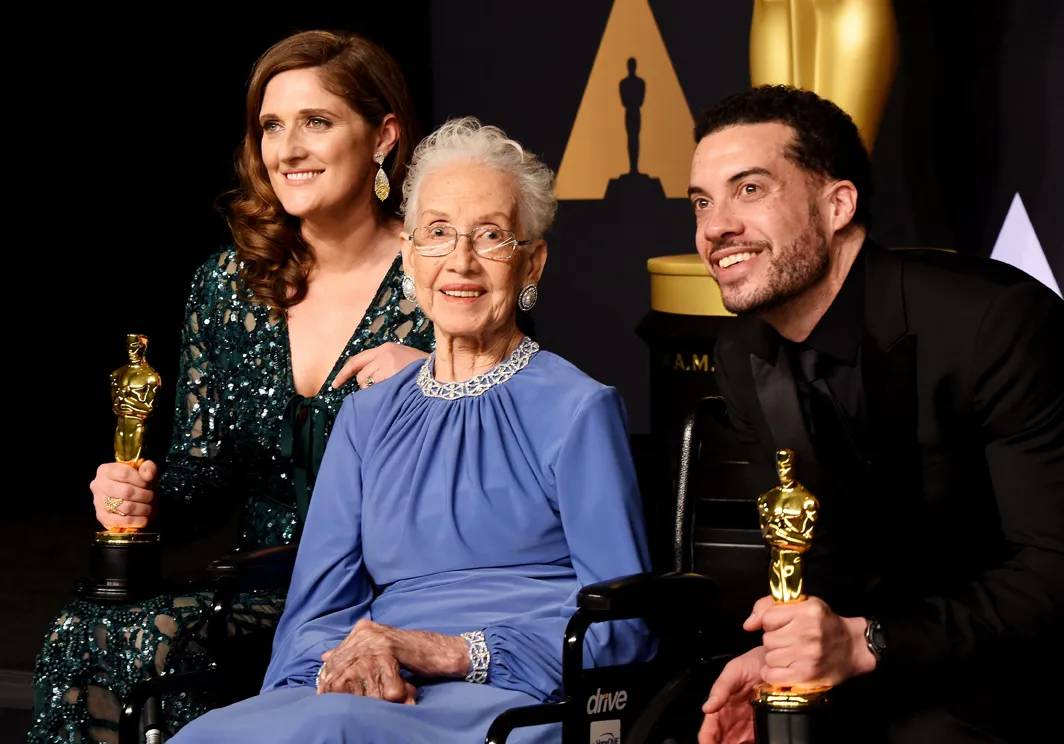
Known for: NASA orbital mathematics
As one of NASA's most brilliant mathematicians, Katherine Johnson calculated flight trajectories for some of the United States' most important space missions.
Her work contributed to Project Mercury and the Apollo programme, ensuring astronauts could safely travel to and return from the Moon.
Her remarkable story reached a wider audience through the award-winning film Hidden Figures.
➤Hedy Lamarr helped lay the foundations for Wi-Fi

Known for: Frequency-hopping spread spectrum technology
Although best known as a Hollywood actress, Hedy Lamarr was also an inventor.
During the Second World War, she co-developed a frequency-hopping communication system designed to prevent radio signals from being intercepted.
The concept later became one of the technologies that underpins modern wireless communication, including Wi-Fi, Bluetooth and GPS.
➤Radia Perlman made modern networking possible
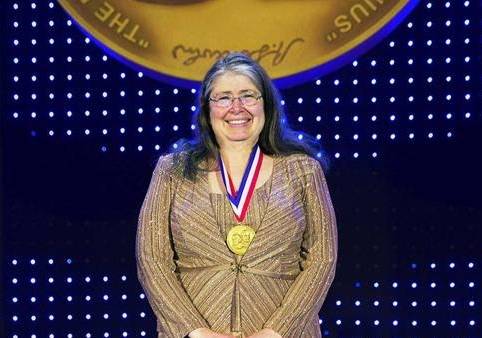
Known for: The Spanning Tree Protocol
Often called the "Mother of the Internet", Radia Perlman developed the Spanning Tree Protocol, a breakthrough that allows computer networks to route data efficiently while preventing network loops.
Without her work, today's large-scale Ethernet networks would be significantly less reliable.
Lasting impact
- Modern networking
- Internet infrastructure
- Network resilience and scalability
➤Carol Shaw helped shape the video game industry
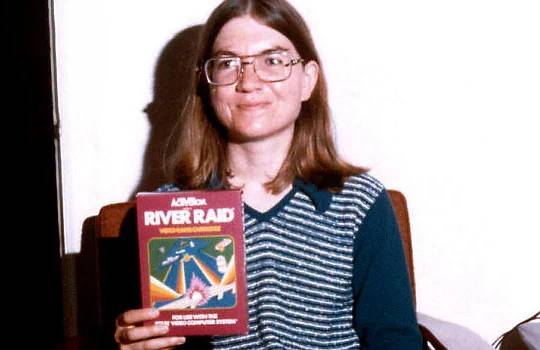
Known for: River Raid
Carol Shaw became one of the first professional female video game developers during the early days of Atari.
Her 1982 game River Raid, a vertically scrolling shooter on Atari 2600, was one of the platform's greatest successes, while her earlier game Polo is recognised as the first documented video game designed and programmed by a woman.
She also worked on 3-D Tic-Tac-Toe (1979), Video Checkers (1980), and many other games.
➤Sister Mary Kenneth Keller helped bring programming into education
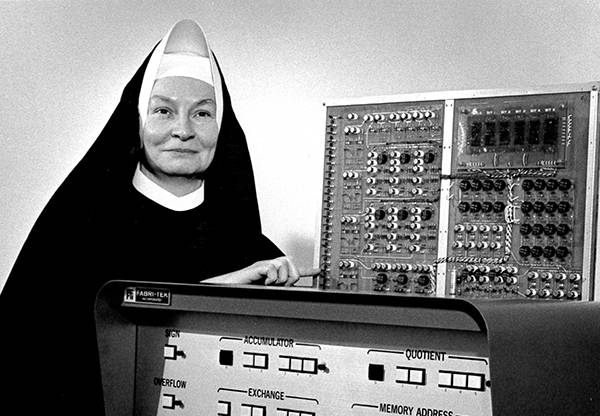
Known for: Co-developing BASIC
Sister Mary Kenneth Keller was one of the first women in the United States to earn a PhD in Computer Science.
At age 26, she became a nun at the Sisters of Charity of the Blessed Virgin Mary and went on to pursue her passion for science.
She completed a BA in Mathematics in 1943, then an MS in Mathematics and Physics ten years later. Together with John G. Kemeny and Thomas E. Kurtz, she founded the Beginners' All-purpose Symbolic Instruction Code programming language, also known as BASIC. IBM included it in their first computer for home use.
Sister Mary championed women in STEM—she even encouraged her students who were working mothers to bring their children with them so they would not miss out on lessons.
Her work played an important role in introducing computer science to future generations.
➤Mary Allen Wilkes helped develop LINC, the first personal computer
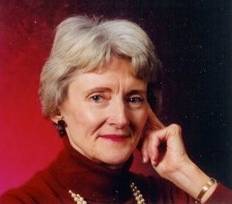
Known for: Co-developing the first personal computer
Mary Allen Wilkes studied Philosophy and Theology at Wellesley College. She dreamt of pursuing Law, but, discouraged by the challenges women faced at the time, turned her attention to programming.
She was one of the first programmers. She helped develop the Laboratory INstrument Computer, also known as LINC, which is now considered the first personal computer. While working on LINC, she actually took it home with her, making her the first person to have a PC in her home and the first one to work from home in the way we do today.
After achieving this, Wilkes pursued her first passion and became an attorney.
➤Susan Kare designed the icons millions still recognise today
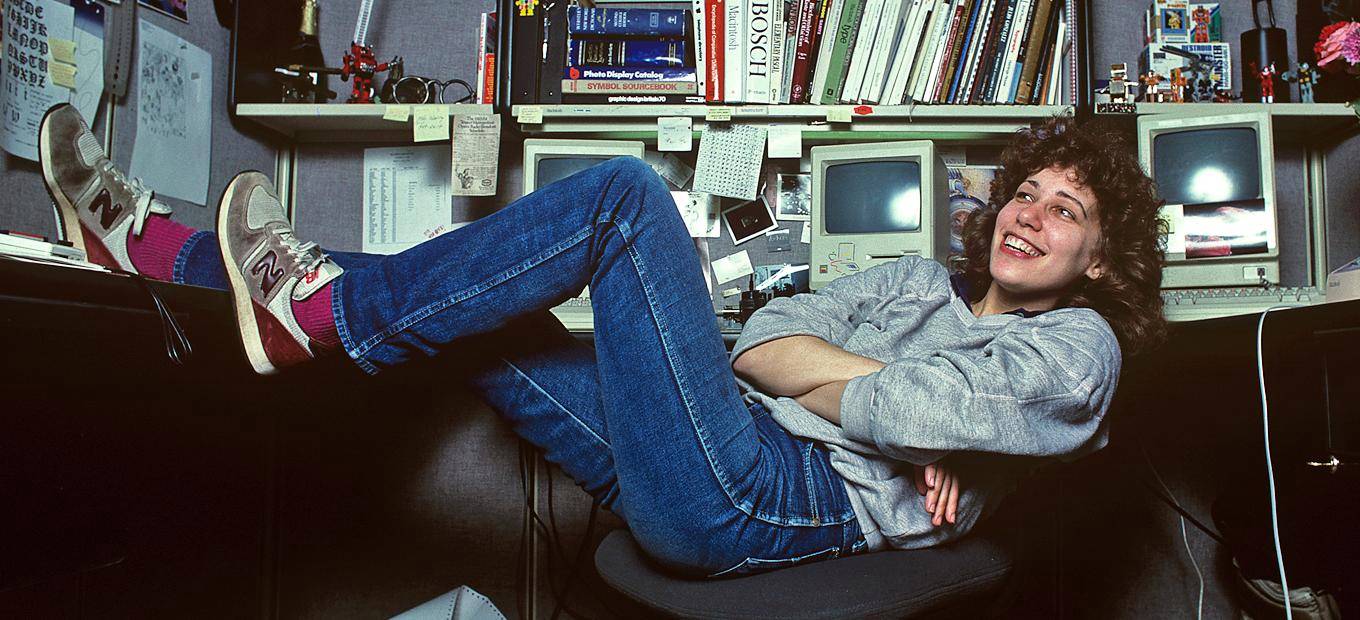
Known for: The original Apple Macintosh interface
When personal computers were still unfamiliar to most people, Susan Kare helped make them intuitive.
Susan Kare was part of Apple's original Macintosh team. She built on the Graphic User Interface (GUI) inspired by the work of another pioneer, Adele Goldberg, at the Palo Alto Research Center, formerly known as Xerox PARC.
She designed many of the original Macintosh icons, fonts, and interface elements, including symbols that inspired many of the visual conventions still used in software today. She is actually the one who persuaded Steve Jobs that icons should be recognisable symbols related to real-world objects.
The Apple clock, the finger pointer, the trash can, and—perhaps most notably, the command key (⌘)—are all her work, proving that successful technology depends not only on engineering, but also on thoughtful user experience design.
➤Donna Dubinsky helped popularise handheld computing
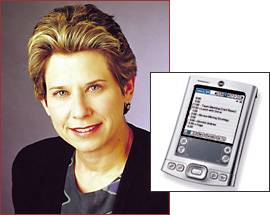
Known for: Palm Computing
Donna Dubinsky played a leading role in the development of the PalmPilot, one of the first widely adopted handheld computers.
Launched nearly 30 years ago, PalmPilots were the second generation of Palm Personal Digital Assistants, also known as PDAs.
An alumna of Harvard Business School and former Apple employee, businesswoman Donna Dubinsky founded Palm, the first PDA company in the world. After leaving Palm, she founded Handspring, whose signature product, the Visor PDA, boasted increased storage and more functions.
Her leadership helped demonstrate that powerful computing could become portable—an idea that paved the way for Blackberry, iPhone, and the today's myriad of smartphones and mobile devices.
➤Melanie Perkins transformed graphic design for everyone

Known for: Co-founding Canva
As co-founder and CEO of Canva, the Australian entrepreneur Melanie Perkins has helped make graphic design accessible to millions of people worldwide.
Perkins created Canva in 2013 together with Cliff Obrecht and Cameron Adams. This was not her first business venture; in 2007, she dropped out of college to launch Fusion Books, an online yearbook publisher.
Through Canva, Perkins made the design process easier and more accessible for people from all walks of life—changing how individuals, schools, charities, and businesses create visual content, making professional-quality design available without specialist software.
➤The women of ENIAC became the world's first programmers
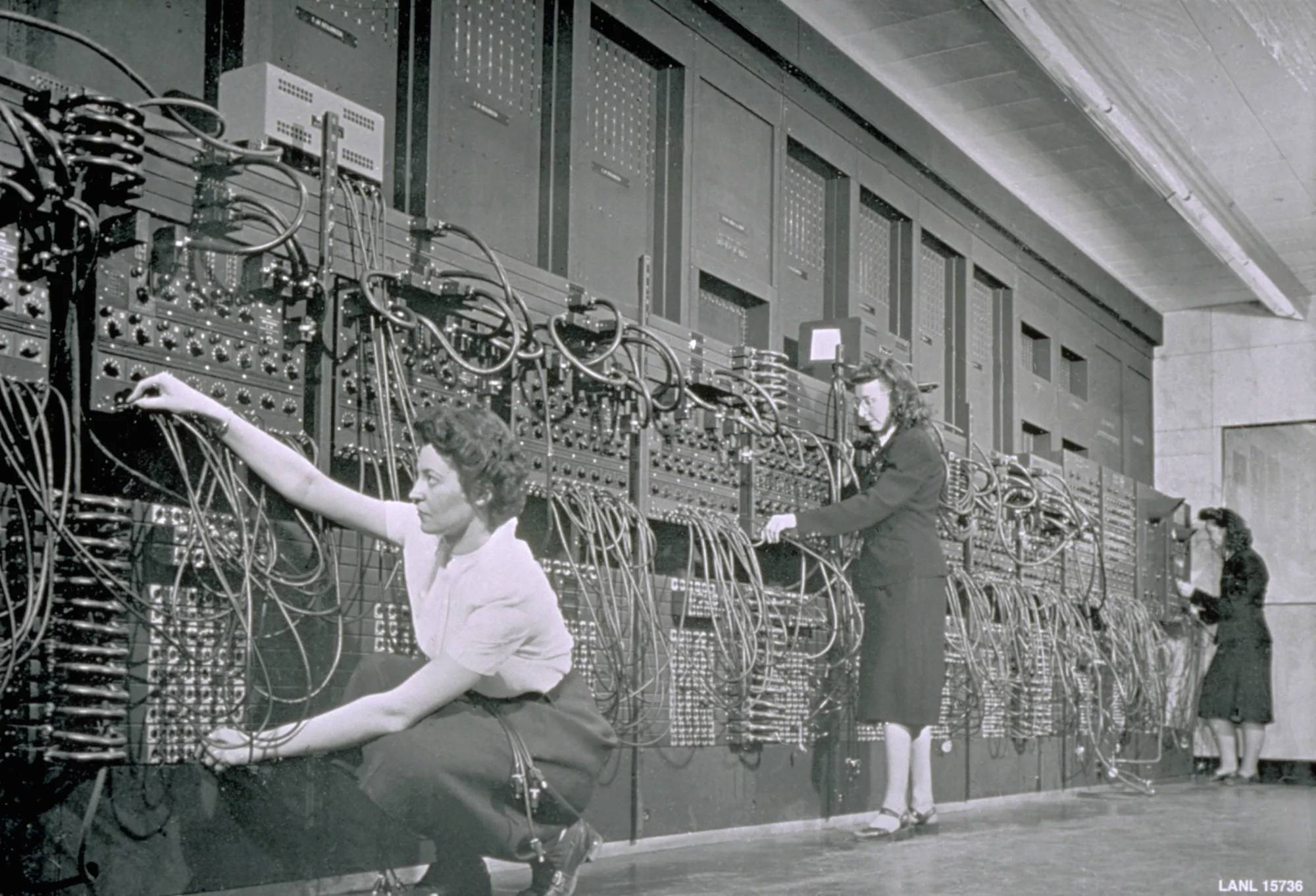
Long before Software Engineering became recognised as a profession, six women programmed ENIAC, one of the world's first general-purpose electronic computers.
According to Smithsonian Magazine, "As late as the 1960s, many people perceived computer programming as a natural career choice for savvy young women. Even the trend-spotters at Cosmopolitan Magazine urged their fashionable female readership to consider careers in programming. In an article titled 'The Computer Girls,' the magazine described the field as offering better job opportunities for women than many other professional careers."
In the first half of the 20th century, female mathematicians at Harvard laid the foundations for the department that would later become NASA and its Jet Propulsion Laboratory.
Six of them, Kay McNulty, Betty Jennings, Betty Snyder, Marlyn Wescoff, Fran Bilas, and Ruth Lichterman, developed programming techniques that laid the foundations for modern Software Development. They programmed the world's first electronic digital computer, the ENIAC, which was completed in 1946, and became the world's first coders.
Despite their groundbreaking work, their contributions remained largely unrecognised for decades. Today, they are rightly celebrated as pioneers of computer programming.
Why women in technology still matter today
The achievements of these pioneers remind us that innovation is open to everyone.
From artificial intelligence and cybersecurity to cloud computing and software engineering, women continue to shape every area of modern technology. As organisations continue to address digital skills shortages, celebrating the contributions of female trailblazers helps ensure that future innovators have visible role models and encourages diverse talent, driving innovation to solve tomorrow's challenges.
Start your career in technology with Firebrand
Every technology breakthrough begins with someone willing to learn something new.
Whether you're interested in cybersecurity, cloud computing, networking, software development, AI, or data, gaining the right technical skills and certifications can open the door to a rewarding career in technology.
At Firebrand, we help IT professionals and aspiring technologists develop in-demand skills through accelerated, hands-on training designed to prepare you for globally recognised certifications and real-world success.
What could Firebrand help you accomplish?